Golf, a game of precision and strategy, entails much more than swinging clubs and chasing balls. Central to this sport is the concept of PAR, a fundamental metric that serves as a guidepost for players. This article delves deep into the world of golf PAR, unraveling its essence, significance, and impact on gameplay. Whether you’re a novice golfer or a seasoned pro, understanding PAR is pivotal to honing your skills and elevating your performance.
The Essence of PAR
PAR, an acronym for “Professional Average Result,” is a standardized score representing the number of strokes a skilled golfer should ideally take to complete a hole or a round. It serves as a benchmark for players, offering a reference point against which their performance is measured. PAR is not a fixed value; rather, it varies based on factors such as hole length and difficulty.
Deciphering the Components
Exploring Hole PAR
Hole PAR categorizes golf courses into three main types: Par-3, Par-4, and Par-5. Each type designates the average number of strokes a professional golfer should ideally take to complete a hole.
- Par-3 Holes: These shorter holes typically require just one well-aimed shot onto the green, followed by accurate putting. Precision and control are key;
- Par-4 Holes: Striking a balance between power and accuracy, Par-4 holes demand a solid tee shot, an effective approach, and skillful putting;
- Par-5 Holes: Longer and more challenging, Par-5 holes necessitate three well-executed shots. Players need to master distance and strategy.
Grasping Round PAR
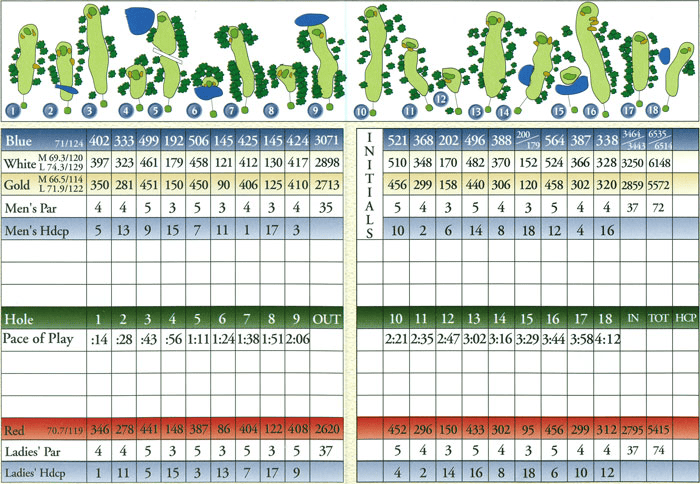
Round PAR, also known as Course PAR, is the cumulative score a golfer is expected to achieve for all holes in a round. It’s influenced by the number and difficulty of each hole type on the course.
PAR’s Significance in Gameplay
Analyzing Player Performance
PAR acts as a yardstick for evaluating player performance. Achieving PAR on a hole means you’ve met the expected skill level, while scoring under PAR reflects skill mastery. Scoring above PAR indicates room for improvement.
Strategic Decision-Making
Knowing the PAR of a hole aids in making informed decisions. On a Par-5 hole, for instance, a player might opt for a conservative approach to ensure a steady game, while a riskier strategy might be chosen on a Par-3 hole.
Mental Game and Pressure
PAR plays a psychological role. Striving to meet or surpass PAR can create pressure, testing a golfer’s mental resilience. Maintaining composure is essential for consistent performance.
Strategies for Conquering PAR
Embrace Course Management
Mastering PAR involves effective course management. Analyze each hole’s layout, hazards, and distance to make well-informed decisions.
Focus on Short Game
A strong short game – chipping, pitching, and putting – is key to achieving and maintaining PAR. Practice these skills diligently.
Know Your Strengths
Identify your strengths and weaknesses as a player. Leverage your strong suits to secure PAR and work on improving weaker aspects.
PAR vs Handicap: Unveiling the Difference
| Aspect | PAR | Handicap |
|---|---|---|
| Definition | Ideal score for a hole or round | Player’s skill level adjustment for fairness |
| Focus | Set by course designers | Reflects player’s recent performance |
| Importance | Benchmark for performance | Equalizes competition among players |
Leveraging PAR for Skill Enhancement
Embracing the concept of PAR goes beyond just scoring; it’s a tool for enhancing your golfing skills. Here’s how you can use PAR to level up your game:
- Goal Setting: Set goals based on achieving or bettering PAR. This gives your practice sessions purpose and direction;
- Performance Analysis: Track your progress by comparing your scores to PAR. Identify patterns and areas that need improvement;
- Focused Training: Tailor your practice routine to address specific aspects of your game that affect PAR scores, whether it’s putting, driving accuracy, or bunker play;
- Mental Conditioning: Dealing with the pressure of meeting PAR challenges your mental game. Develop strategies to stay composed under pressure.
PAR in Professional Tournaments: The Score to Beat
In professional golf tournaments, PAR is not just a target – it’s a benchmark that shapes the competition. Here’s a glimpse of how PAR impacts the world of professional golf:
- Score Comparison: Players’ scores are constantly compared to PAR. Negative scores (under PAR) indicate exceptional performance;
- Cut Line: In multi-round tournaments, a cut line is set to determine which players continue to play in later rounds. This line is often close to PAR, adding intensity to the competition;
- Final Standings: The golfer with the lowest cumulative score relative to PAR emerges as the champion. It showcases consistency and skill over the tournament’s duration.
Strategies for Different PAR Levels
The approach you take on each hole can vary depending on its PAR. Tailoring your strategy to the hole’s difficulty can greatly influence your performance:
Par-3 Holes:
- Aim for Precision: With shorter distances, accuracy is key. Focus on hitting the green and setting up for a manageable putt.
Par-4 Holes:
- Solid Tee Shots: Start with a strong drive to position yourself favorably for your approach shot.
Par-5 Holes:
- Strategic Choices: Consider risk and reward. Going for the green in two shots might lead to birdie opportunities, but errant shots could result in bogeys.
The Evolution of PAR in Golf History
The concept of PAR has evolved over time, reflecting changes in golf course design, player skill, and technology. Here’s a brief timeline:
- Early Days: In the late 19th century, golf courses had varying hole lengths, making it challenging to establish a consistent benchmark for PAR;
- Standardization: By the early 20th century, golf course designers began creating courses with defined hole lengths, allowing for more consistent PAR calculations;
- Modern Era: As golfers’ skills and equipment improved, courses became longer and more challenging. PAR values were adjusted to reflect these changes;
- Course Rating: The introduction of course rating and slope rating further refined the PAR concept, accounting for course difficulty and player skill levels.
PAR and Beyond: Exploring Advanced Scoring Systems
While PAR remains a staple in golf scoring, advanced systems offer more comprehensive ways to evaluate a player’s performance:
- Stableford Scoring: Points are awarded based on the number of strokes relative to PAR on each hole. This system encourages aggressive play;
- Net Double Bogey: A simplified scoring system that caps a player’s maximum score on a hole, promoting a smoother pace of play;
- Modified Stableford: Points are awarded for achieving scores above or below PAR, fostering risk-taking and strategic play.
Conclusion
Golf’s essence lies not just in teeing off and putting, but in understanding the intricacies of PAR. It’s a dynamic concept that serves as a compass in the golfer’s journey, guiding their performance and decision-making. Embrace the challenge of achieving and surpassing PAR – it’s the essence of the game.
FAQs About Golf PAR
PAR stands for “Professional Average Result,” indicating the expected number of strokes for a skilled golfer to complete a hole or round.
Yes, amateur golfers can achieve PAR by displaying skill and precision in their shots, but it often requires practice and experience.
A golfer’s handicap is calculated based on their recent performance, adjusting their scores to ensure fair competition against players of varying skill levels.
Understanding PAR helps golfers make strategic decisions based on hole difficulty, optimizing their gameplay for better scores.
No, PAR varies across different courses due to differences in hole lengths, hazards, and overall layout.