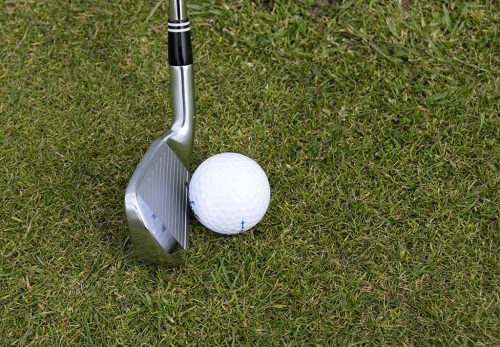
Golfers in Vancouver know how quickly golf gear can start taking over a home. One bag turns into two, then comes a push cart, spare clubs, rain gear, travel cases, golf shoes, training aids, and boxes of balls and accessories. For people living in condos, apartments, townhomes, or smaller houses, Vancouver self storage can provide a practical way to keep less frequently used golf equipment organized without filling every closet, locker, or corner at home.
That is especially relevant in a city like Vancouver, where many people balance golf equipment with bikes, skis, camping gear, seasonal clothing, and everything else that comes with an active West Coast lifestyle.
The goal is not to move your everyday golf bag somewhere inconvenient. Instead, good golf equipment storage is about separating what you use regularly from what you only need occasionally. Spare clubs, travel bags, push carts, training equipment, and seasonal gear can all take up valuable space even when they are not being used.
With a little planning, golfers can keep their homes more organized while still having their equipment ready for the next round.
Why Golf Equipment Can Be Difficult to Store at Home
Golf does not look like an equipment-heavy sport until you start adding everything together.
A basic setup might include one bag and a set of clubs. Over time, however, many golfers collect far more than that.
You might have:
- A primary set of golf clubs
- An older or backup set
- Extra wedges
- Multiple putters
- Golf shoes
- Rain gear
- Golf umbrellas
- Push carts
- Training aids
- Practice nets
- Putting mats
- Travel covers
- Golf balls
- Tees and accessories
- Spare gloves
- Tournament or event materials
For golfers living in larger homes, some of this may fit into a garage or basement.
In Vancouver, that is not always an option.
A condo near Yaletown, Olympic Village, Kitsilano, Mount Pleasant, or the West End may have limited closet space. Even if the building includes a storage locker, that space may already be filled with bicycles, winter gear, suitcases, camping equipment, or other seasonal belongings.
Golf clubs themselves are not especially difficult to store. The bigger problem is everything that comes with them.
A push cart can occupy a surprising amount of floor space. A hard travel case can be awkward to fit into a closet. Practice equipment may only be used occasionally but still needs somewhere to go.
That is where having a deliberate storage plan becomes useful.
What Golf Equipment Can You Put Into Storage?
Not everything should be moved away from home.
If you are playing every weekend, your primary golf bag should probably remain somewhere easy to access. The items that make the most sense for storage are usually things you need occasionally rather than every round.
Here is a simple way to think about it:
| Golf Equipment | Why It May Make Sense to Store It |
| Spare golf clubs | Not needed for every round |
| Extra golf bags | Bulky and difficult to fit into closets |
| Push carts | Take up considerable floor space |
| Golf travel cases | Usually only needed for trips |
| Practice equipment | May only be used periodically |
| Extra rain gear | Can be organized with seasonal equipment |
| Spare golf shoes | Easy to keep in labelled containers |
| Training aids | Often used occasionally |
| Tournament supplies | Only needed for specific events |
| Extra golf accessories | Can be grouped and organized together |
The important point is to avoid treating storage as a place for random golf clutter.
Instead, decide what you actually want to keep and why.
If an old driver has been sitting untouched for six years and you know you will never use it again, selling or donating it may make more sense than paying to store it.
If you have a backup iron set that you still use when friends or family visit, keeping it organized in storage may be worthwhile.
How Vancouver Self Storage Can Help Golfers With Limited Space
For many Vancouver golfers, storage is really about creating more room at home.
A local storage unit can function as an extension of a condo locker, garage, or closet. That can be useful if you have equipment that you value but do not need immediately.
Some common situations include:
- Living in a condo with limited storage
- Sharing a smaller apartment
- Owning golf equipment for several family members
- Keeping more than one set of clubs
- Storing sports equipment for multiple activities
- Travelling for golf several times a year
- Keeping large travel cases
- Owning training equipment that is not used regularly
- Having a garage that needs to remain clear for vehicles
A golfer living downtown may want to keep a primary golf bag at home but move a travel case, backup clubs, and push cart elsewhere.
Someone in East Vancouver might already have a garage or storage area but need more room because bicycles, skis, tools, and seasonal items are competing for the same space.
The best approach is usually simple: keep the equipment you use regularly nearby and move less frequently used gear out of the way.
How to Store Golf Clubs Properly Between Rounds
Golf clubs are built to be used, but that does not mean they should be tossed into storage while wet and dirty.
Before storing clubs for more than a short period, give them a proper clean.
Clean the Clubheads
Dirt, grass, and sand can build up in the grooves of irons and wedges.
Use a soft brush or cloth to remove debris from the clubheads. Pay attention to the grooves because that is where dirt tends to collect.
Wipe the clubs down afterward.
This is also a good time to inspect the clubs for obvious damage.
Dry Everything Completely
This is particularly important in Vancouver.
Anyone who plays regularly around the Lower Mainland knows that golf does not always happen under perfect blue skies. Damp fairways, wet rough, drizzle, and sudden rain showers can all leave clubs and bags wetter than you realize.
Before placing clubs into storage:
- Wipe down clubheads
- Dry shafts
- Remove wet towels
- Air out the bag
- Dry rain covers
- Remove damp gloves
- Let golf shoes dry separately
Do not pack everything away immediately after a rainy round.
Give the equipment time to dry first.
Protect Woods and Putters
Use headcovers where appropriate.
Drivers, fairway woods, hybrids, and putters are more likely to make contact with other clubs when equipment is moved around.
Keeping the headcovers on can reduce unnecessary bumps and scratches during storage and transportation.
Avoid Putting Heavy Items on Top
A golf bag should not become the base of a pile of boxes.
Store clubs upright or in a stable position where heavy objects are not resting against them.
This is another reason why a clearly organized storage setup is better than simply stacking everything wherever it fits.
Don’t Forget About the Golf Bag
Golf bags collect more than clubs.
After a few rounds, the pockets may contain:
- Old scorecards
- Empty wrappers
- Loose tees
- Golf balls
- Wet towels
- Gloves
- Ball markers
- Sunscreen
- Snacks
- Water bottles
- Receipts
- Batteries
Before placing a bag into longer-term storage, empty it completely.
Remove food, drinks, damp towels, and anything that could leak.
Take out electronics such as GPS devices, rangefinders, or portable chargers. Those are generally better kept somewhere you can monitor them.
Once the bag is empty, give it a quick clean and let it dry.
A clean golf bag is much easier to bring back into regular use when you are ready to play again.
Storing Golf Push Carts and Larger Equipment
Push carts are extremely useful on the course and inconvenient almost everywhere else.
Even folding models can occupy a fair amount of space in a condo locker or vehicle.
Before storing a push cart:
- Remove mud and grass from the wheels.
- Wipe down the frame.
- Fold it properly.
- Remove any loose accessories.
- Keep detachable pieces together.
- Store accessories in a labelled container.
If you have a scorecard holder, umbrella attachment, drink holder, or other accessories, keeping them together with the cart makes life easier later.
Other larger golf equipment may include:
- Practice nets
- Putting mats
- Portable targets
- Training sticks
- Ball bags
- Travel cases
- Practice mats
These are often some of the best candidates for off-site storage because they take up a lot of room while being used relatively infrequently.
Organizing Golf Shoes, Clothing, and Rain Gear
Golfers in Vancouver tend to need more than one type of clothing setup.
A sunny July round may require very little extra gear. A cooler day in spring or fall can require multiple layers, waterproof clothing, extra gloves, and a good umbrella.
Over time, that can mean a surprising amount of golf clothing.
Common items include:
- Waterproof jackets
- Rain pants
- Golf sweaters
- Base layers
- Golf shoes
- Spare gloves
- Hats
- Umbrellas
- Towels
Before storing clothing, make sure it is clean and dry.
Golf shoes should be treated the same way. Remove excess dirt and grass, let them dry, and avoid putting damp shoes into a closed container.
A basic labelled storage system can make seasonal equipment much easier to find.
For example:
Rain Gear
Golf Shoes
Cold Weather Golf
Summer Golf Clothing
Extra Gloves and Towels
This may sound overly organized, but the benefit becomes obvious the first time you need rain pants in a hurry and know exactly where they are.
What to Do With Extra Golf Clubs
Many golfers gradually build a collection.
You upgrade your irons but keep the old set.
You experiment with a new putter but do not want to get rid of the previous one.
A friend gives you an old driver.
You buy a second wedge with a different bounce.
Soon, you have more clubs than can reasonably fit into one bag.
There is nothing wrong with keeping backup equipment, but it helps to divide your clubs into three categories.
Keep
These are clubs you use regularly.
Your primary set should remain easily accessible.
Store
These are clubs you still want but do not need every week.
Examples might include:
- Backup irons
- Spare putters
- Older drivers
- Clubs for visiting friends
- Travel-specific clubs
- Sentimental clubs
Sell or Donate
Some equipment no longer needs to be part of your collection.
If you have not used a club in years and cannot imagine using it again, storing it indefinitely may not make sense.
This kind of regular review can prevent golf equipment storage from becoming simple accumulation.
Golf Travel Cases Are Ideal Candidates for Storage
Travel cases are among the most awkward pieces of golf equipment to keep at home.
They are useful when you need them and inconvenient the rest of the year.
A hard-shell travel case can be particularly difficult to fit into a condo locker. Soft travel bags are easier to fold but can still take up valuable closet space.
Golfers who travel occasionally can keep all their travel equipment together.
That might include:
- Travel bag
- Hard-shell case
- Bag support rod
- Luggage straps
- Travel locks
- Protective clubhead accessories
- Airline tags
- Small travel scale
When a golf trip is approaching, everything is already in one place.
This is much easier than searching through several closets the night before a flight.
Create a Golf Storage Zone Instead of Random Boxes
One of the biggest mistakes people make with storage is moving things without creating a system.
If your storage unit becomes a wall of random boxes, finding your golf equipment can become more difficult than keeping it at home.
Instead, create a dedicated golf zone.
Clubs and Bags
Keep spare sets, stand bags, cart bags, and extra clubs together.
Travel Equipment
Keep golf travel cases and travel accessories in the same area.
Training Equipment
Place putting aids, swing trainers, alignment sticks, nets, and practice equipment together.
Clothing and Rain Gear
Use labelled containers for clothing, towels, shoes, and seasonal accessories.
Smaller Accessories
Group items such as:
- Golf balls
- Tees
- Gloves
- Headcovers
- Towels
- Umbrellas
- Ball markers
A dedicated zone makes it easier to grab what you need before heading to a course or going on a trip.
Use Shelving and Clear Labels
Shelving can make a major difference in a storage unit.
Without shelves, containers tend to become stacked on top of one another. The item you need eventually ends up at the bottom.
Shelves allow you to separate equipment by category and keep more fragile items away from heavier boxes.
Useful labels might include:
- Spare Clubs
- Golf Travel Gear
- Rain Equipment
- Golf Shoes
- Practice Equipment
- Push Cart Accessories
- Tournament Gear
Clear storage containers can be useful for smaller accessories because you can see what is inside.
Keep frequently used golf gear closer to the entrance.
Items you only need once or twice per year can go farther back.
That simple decision can save a lot of unnecessary moving and rearranging.
Seasonal Golf Storage in Vancouver
Vancouver’s golf year is not as simple as “summer season” and “winter shutdown.”
Some golfers play whenever conditions allow. Others reduce their rounds during wetter and darker months.
Either way, your storage needs can change through the year.
During periods when you are playing frequently, keep your everyday gear accessible.
That might include:
- Primary clubs
- Golf bag
- Shoes
- Rain jacket
- Gloves
- Rangefinder
- Umbrella
Less frequently used equipment can remain in storage.
During wetter months, rain gear may become more important, while certain training equipment or travel gear may be used less often.
The point is to adjust your storage system around how you actually play.
You do not need the same golf setup in February that you might want in July.
Storing Golf Equipment Before a Long Golf Trip
Golf travel creates another storage challenge.
If you are heading away for several weeks, you may be taking one set of clubs while leaving the rest behind.
Before travelling, decide:
- Which clubs are coming with you
- Which sets are staying in Vancouver
- Where your push cart will be kept
- What travel equipment you need
- Which training aids should stay behind
- Where your regular golf bag will go if you are using a travel bag
Keeping backup equipment organized before you leave can make returning home easier too.
After a trip, your travel case can go back into storage while your normal golf bag returns to regular use.
This kind of rotation is especially practical for golfers who travel several times per year.
What Should Stay at Home?
Self storage does not need to become the permanent home for all your golf equipment.
If you play regularly, keep your everyday items close.
That may include:
- Primary golf clubs
- Everyday golf bag
- Current golf shoes
- Gloves
- Rain jacket
- Rangefinder
- Umbrella
- Frequently used balls and accessories
You should be able to prepare for a round without turning it into a major logistics exercise.
Storage is most useful for equipment that is bulky, seasonal, spare, or only occasionally needed.
What Vancouver Golfers Should Look for in Self Storage
If you decide that extra storage would help, convenience matters.
Vancouver traffic can make a short distance feel much longer at the wrong time of day, so location should be one of your first considerations.
A unit near your home or usual driving route may be more practical than one that requires a significant detour.
Consider factors such as:
- Location
- Access hours
- Unit size
- Security features
- Indoor access
- Loading areas
- Parking
- Elevator access
- Climate-controlled options
- Month-to-month availability
- Insurance requirements
- Business or personal access policies
Think about how you will actually use the space.
If you are mostly storing golf bags and accessories, you may only need a small unit.
If your storage also includes bicycles, skis, luggage, camping gear, and household items, you may need more room.
The best Vancouver self storage setup is one that makes it easy to retrieve your gear when you need it rather than creating another complicated stop before every round.
Avoid Leaving Golf Equipment in Your Vehicle Long Term
It can be tempting to leave clubs in the trunk.
If you play frequently, it certainly feels convenient.
However, your vehicle may not be the best long-term storage location for extra golf equipment.
There are a few practical reasons.
First, clubs and bags occupy valuable cargo space.
Second, your car may experience significant temperature changes throughout the year.
Third, golf equipment left in a vehicle may be visible or accessible in ways that equipment stored at home is not.
And finally, damp gear can easily remain forgotten in the trunk after a wet round.
Keeping your regular clubs in a car temporarily may work for some golfers, but spare sets, travel cases, and larger equipment are usually better stored somewhere more deliberate.
How to Build a Simple Golf Equipment Inventory
If you own a lot of golf equipment, keeping a basic inventory can be surprisingly useful.
You do not need complicated software.
A spreadsheet or simple note on your phone may be enough.
For example:
| Item | Location | Last Used | Action |
| Primary golf bag | Home | This month | Keep |
| Backup iron set | Storage | Last season | Keep |
| Golf travel case | Storage | Last trip | Keep |
| Old driver | Storage | Two years ago | Review |
| Push cart | Storage | This season | Keep |
| Practice net | Storage | This year | Keep |
An inventory helps answer a simple question:
What do I actually own?
Golfers sometimes buy replacement accessories because they forget they already have them.
Knowing what is in storage can prevent that.
It can also help you decide when it is time to sell or donate older equipment.
A Simple Golf Equipment Storage Checklist
Before placing golf gear into storage, work through this list:
- Clean your golf clubheads.
- Remove dirt from grooves.
- Dry clubs thoroughly.
- Empty your golf bag.
- Remove food and drinks.
- Take out wet towels.
- Remove electronics and valuables.
- Clean and dry golf shoes.
- Fold your push cart properly.
- Clean dirt from cart wheels.
- Organize training equipment.
- Separate golf clothing and rain gear.
- Label containers clearly.
- Keep travel equipment together.
- Create a simple inventory.
- Put frequently used items near the front.
- Avoid stacking heavy boxes on golf bags.
- Review stored equipment periodically.
A few extra minutes of organization can save much more time later.
Keep Your Golf Gear Ready for the Next Round
Golf equipment should make it easier to enjoy the game, not make your home harder to organize.
For Vancouver golfers, the challenge is often less about the clubs themselves and more about everything that comes with them: spare bags, push carts, travel cases, rain gear, shoes, training aids, and backup equipment.
If your condo locker, closet, or garage is already full, local storage can provide another place for the golf gear you value but do not use every week.
The key is to keep the system practical.
Keep your regular golf clubs close. Store spare and bulky equipment properly. Clean and dry everything before putting it away. Label containers clearly. Know what you have and where it is.
When your gear is organized, getting ready for the next round becomes much easier, whether you are heading to a local course around Vancouver or packing your clubs for your next golf trip.