Golf, often referred to as a gentleman’s game, demands precision, technique, and control. However, even the most skilled golfers occasionally find themselves grappling with a frustrating and elusive challenge: the dreaded golf shank. This unsettling phenomenon can turn a round of golf from enjoyable to exasperating in an instant. In this article, we’ll delve into the world of golf shanks, exploring their causes, symptoms, and potential solutions to help you regain your composure on the greens.
Understanding the Golf Shank
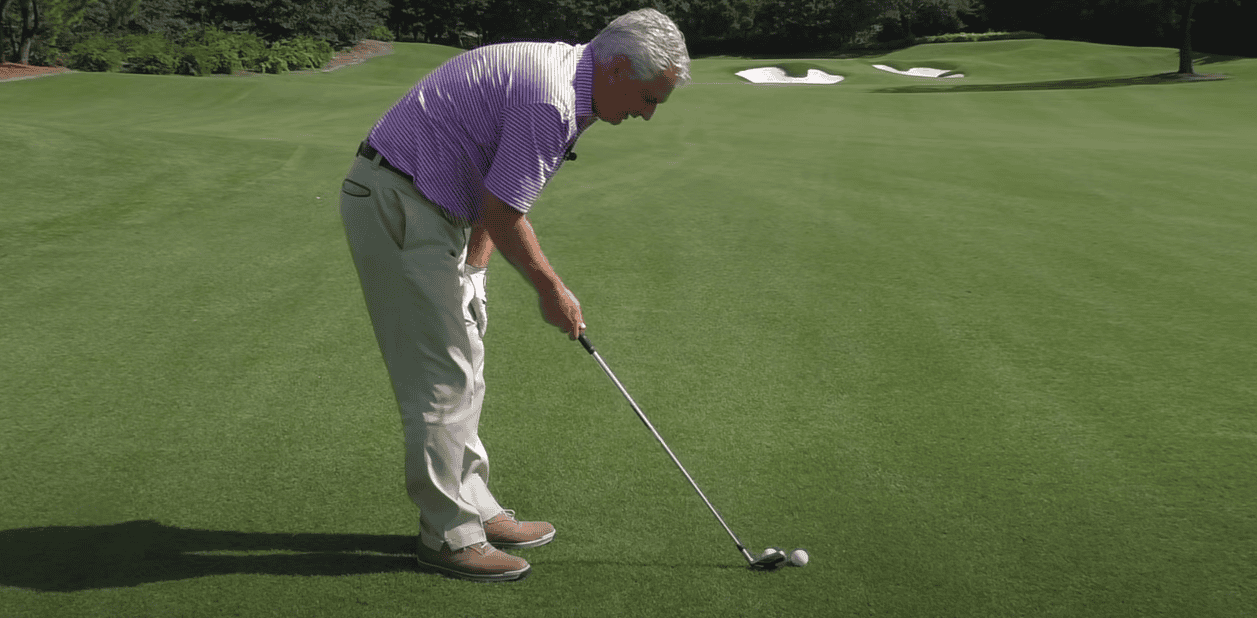
A golf shank occurs when a golfer makes contact with the ball near the hosel of the club, sending the ball sharply off-target. The result is often a low, screaming shot that veers dramatically to the right (for a right-handed golfer). Shanks can be particularly perplexing because they seem to materialize out of nowhere, striking even the most seasoned golfers when they least expect it.
Causes of a Golf Shank
The enigma of the shank is a multifaceted one, with its origins intertwined in the intricate dance between swing mechanics and the golfer’s mental state. The causes of a golf shank are multifaceted and can be traced to various aspects of a golfer’s swing mechanics and mental state. Some common causes include:
1. Poor Setup and Alignment
Imagine a symphony orchestra without a conductor; chaos ensues. Similarly, a golfer’s setup and alignment play the role of a conductor, directing the ensuing swing. A misaligned clubface at impact, akin to a wrong note in a symphony, stems from incorrect alignment. This, in turn, paves the way for the notorious shank.
| Symptom | Impact |
|---|---|
| Misaligned Clubface | Ball strikes the hosel, leading to shanking |
2. Swing Path Issues
Picture a dancer veering off-course mid-performance – disarray reigns. An over-the-top swing path or an inside-out swing not only throws off the golfing rhythm but also propels the ball towards the shank’s realm.
| Symptom | Impact |
|---|---|
| Over-the-Top Swing | Off-center contact, potential shank |
| Inside-Out Swing | Similar repercussions, potential shank |
3. Grip Problems
In the realm of golf, the grip serves as a golfer’s connection to the club, akin to a musician’s grasp on their instrument. Gripping the club too tightly or in a manner that tilts the clubface towards openness or closure constitutes a misstep that can send the ball amiss.
| Symptom | Impact |
|---|---|
| Tight Grip | Clubface misalignment, shank lurking |
| Incorrect Clubface Grip | Clubface orientation issues, shank potential |
4. Weight Distribution Woes
Imagine a seesaw swaying unevenly – equilibrium falters. A golfer’s weight distribution during the swing, similar to that seesaw, can throw off the delicate balance. This results in the clubhead arriving at the ball from an unfavorable angle, inevitably leading to a rendezvous with the shank.
| Symptom | Impact |
|---|---|
| Improper Weight Shift | Misaligned clubhead, shank beckoning |
5. Mental Factors: The Mind-Body Tango
In the grand theater of golf, the mind and body perform a captivating tango. However, anxiety, tension, and overthinking cast a shadow on this dance. When a golfer’s mental state falters, the natural harmony of the swing is disrupted, and the ominous shank enters the scene.
| Symptom | Impact |
|---|---|
| Anxiety & Tension | Disrupted swing rhythm, shank potential |
| Overthinking | Derailed natural swing, shank looming |
6. Lack of Focus
Imagine an artist painting a masterpiece, only for a sudden distraction to ruin the canvas. Similarly, a golfer’s focus is the canvas upon which the swing is painted. Losing that focus mid-swing is akin to splattering paint on the canvas, resulting in mishits, including the notorious shank.
| Symptom | Impact |
|---|---|
| Distracted Mind | Mishits, shank included |
Symptoms of a Golf Shank

Identifying a golf shank is crucial for rectifying the issue promptly. Some telltale signs that you might have shanked a shot include:
1. Ball Flight
Behold the flight of the ball, a silent messenger revealing the truth of your swing. A golf shank announces itself through an audacious departure from the expected. As the ball departs the clubface, it abandons the gentle arc of an archer’s arrow, instead opting for a sharp angle, akin to a line drive in the realm of baseball. Witnessing this unexpected trajectory is akin to glimpsing a rare comet streaking across the night sky – it’s a spectacle that commands attention.
| Symptom | Description |
|---|---|
| Ball Flight | Departure at a sharp angle, resembling a line drive in baseball. |
2. Sound and Feel
A symphony of sensations greets the golfer at the point of impact. A well-executed shot sings with a satisfying harmony, a melody that echoes through the club and into the player’s hands. But within this symphony, the golf shank is a discordant note, an unpleasant sensation that reverberates through the body. It’s a sensation distinct from a solid strike, a jarring reminder that not all swings are created equal.
| Symptom | Description |
|---|---|
| Sound and Feel | Impact produces a distinct, unpleasant sensation that deviates from a solid hit. |
3. Erratic Results
Consistency is the heartbeat of golf. A golfer strives for predictable outcomes, allowing strategic planning and continuous improvement. Enter the golf shank, disrupting this equilibrium. Shots that were once faithful companions, guided by the player’s intent, suddenly veer off-course. For the right-handed golfers, a shank manifests as a wayward voyage to the right, an unexpected detour that defies the planned path.
| Symptom | Description |
|---|---|
| Erratic Results | Shots consistently veer right (for right-handed golfers), betraying the intended target. |
4. Frustration and Discomfort
The aftermath of a shanked shot paints a vivid emotional landscape. Frustration, like storm clouds gathering, casts a shadow over the once-promising round. Anxiousness creeps in, as uncertainty clings to subsequent swings. The once-confident golfer grapples with doubt, seeking redemption with each new attempt.
| Symptom | Description |
|---|---|
| Frustration and Discomfort | Post-shank, golfers wrestle with frustration and anxiety regarding their future shots. |
5. Loss of Confidence
Confidence is the cornerstone of any golfer’s journey. A shanked shot, however, is a relentless sculptor, chiseling away at the foundation of self-assurance. Doubts gather momentum, and the golfer’s once-unshakable belief in their swing wavers. The erosion of confidence becomes a formidable opponent, one that must be countered swiftly and decisively.
| Symptom | Description |
|---|---|
| Loss of Confidence | Golfers experience a significant decline in their confidence due to shanking. |
Solutions to Overcoming the Golf Shank
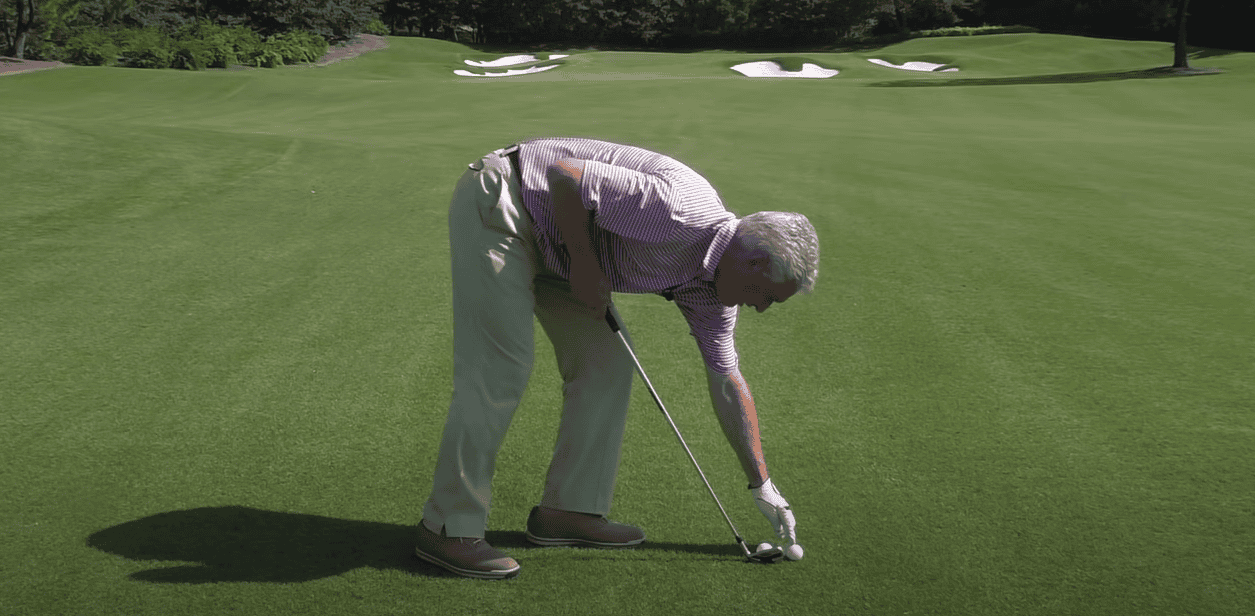
While shanks can be exasperating, they are not insurmountable. Various solutions can help golfers regain control over their swings and minimize shanking:
1. Proper Alignment and Setup
Achieving proper alignment and setup is the foundation for a successful golf swing. This involves a combination of factors that, when executed correctly, can mitigate the chances of shanking:
- Feet, Hips, and Shoulders Alignment: Ensuring that your feet, hips, and shoulders are parallel to the target line is crucial. This alignment promotes a more consistent and accurate swing motion;
- Ball Positioning: The position of the ball in your stance can affect the angle of attack. Placing the ball correctly, usually just ahead of the center, encourages cleaner ball contact and reduces the risk of shanking.
2. Swing Path Corrections
The path of your club during the swing greatly impacts the direction and quality of the shot. Correcting your swing path can significantly minimize the occurrence of shanking:
- Swing Plane Maintenance: Practicing a consistent swing plane, avoiding overly steep or shallow angles, helps maintain a steady clubface position through impact;
- Avoiding Extreme Paths: Extremes like an over-the-top or inside-out swing path can lead to shanking. Concentrate on a balanced, on-plane swing that maximizes control.
3. Grip Adjustment
Your grip on the club plays a pivotal role in preventing the clubface from twisting at impact:
- Grip Pressure: Experiment with grip pressure to find the balance between a tight grip (which can hinder the club’s movement) and a loose grip (which can lead to inconsistent contact). Aim for a firm yet comfortable hold;
- Grip Positioning: Adjust your grip position to achieve a neutral grip, where both hands work together harmoniously. This helps maintain proper clubface alignment during the swing.
4. Weight Transfer Practice
Transferring weight correctly during your swing allows the clubhead to meet the ball squarely:
- Balanced Weight Shift: Focus on shifting your weight from your back foot to your front foot as you initiate the downswing. This movement encourages a controlled and powerful strike.
5. Mental Preparation
A calm and focused mind can work wonders for your swing. Develop pre-shot routines to achieve mental composure:
- Routine Development: Create a consistent routine that helps you relax and focus. This routine can involve deep breaths, visualization, and positive self-talk.
6. Target Visualization
Imagining the desired shot trajectory and target line can enhance your swing’s accuracy:
- Mental Imagery: Before addressing the ball, visualize the path you want the ball to take and its intended destination. This mental image can guide your swing mechanics.
7. Slow and Steady Swings
Practicing controlled, deliberate swings is essential for refining your mechanics and reducing the likelihood of shanks:
- Swing Tempo: Slow down your swing tempo during practice sessions. This approach allows you to ingrain proper mechanics into your muscle memory.
Conclusion
The golf shank is a frustrating challenge that can plague golfers of all skill levels. By understanding the causes, recognizing the symptoms, and implementing effective solutions, you can work towards minimizing the occurrence of shanks in your game. Remember that overcoming shanks requires patience, practice, and a commitment to refining your swing mechanics. So, head out to the practice range armed with these insights, and you’ll be well on your way to conquering the shanks and enjoying a more consistent and satisfying round of golf.
For better understanding, check this video:
FAQ
Yes, even experienced golfers can fall victim to shanks, as they can be triggered by various factors.
Shanks can occur with any club, but shorter irons with smaller faces may be slightly more challenging to control.
The type of golf ball used can influence how the clubface interacts with it, potentially affecting shank frequency.
Stay relaxed, focus on your setup and alignment, and maintain a positive mental attitude.
Consulting a golf instructor can provide personalized guidance and help identify the specific causes of your shanks.
Yes, targeted practice drills can reinforce proper swing mechanics and gradually reduce shanking tendencies.
Quick fixes might provide temporary relief, but a comprehensive improvement requires consistent practice and adjustments.