Golf, a sport known for its precision and finesse, demands a deep understanding, constant practice, and refined skills. Even the most seasoned golfers can enhance their performance by ensuring their equipment is in optimal condition.
Among the key aspects of maintaining a strong golf game is the art of regripping clubs. This crucial procedure can be effectively carried out at home with the right tools and materials.
In this comprehensive guide, we will explore the essential steps for selecting suitable golf club grips, and explain the step-by-step process of regripping golf clubs, including acquiring necessary materials, removing old grips, and installing new ones. Equipped with this knowledge, you can elevate your golfing skills to new heights.
The Importance of Regripping Golf Clubs
Regripping golf clubs is of paramount importance for several compelling reasons. It directly affects the quality and effectiveness of clubs, providing a comfortable grip. Worn-out or slippery grips can significantly hinder your ability to execute accurate shots. Regripping imparts fresh characteristics to golf clubs, aligning them with your vision and enhancing shot accuracy.
Furthermore, if you choose to do it yourself, you’ll save time and money while experiencing the satisfaction of maintaining your equipment’s pristine condition.
Selecting the Perfect Grip
Choosing the right golf grip shouldn’t be perplexing. Size is a foundational factor – it should fit snugly and securely in your hand, preventing slipping during swings. Materials range from rubber and synthetics to leather and pliable plastics, offering various options.
Texture also plays a pivotal role: from rough textures for improved traction in wet conditions to smoother variations designed for comfort.
Before making your final choice, consider potential regripping costs, as this financial aspect should factor into your overall decision-making.
Step-by-Step Guide: How to Regrip Golf Clubs at Home
Armed with the aforementioned tools, proceed with the following systematic process for effectively regripping your golf clubs:
Step 1: Removing the Old Grip
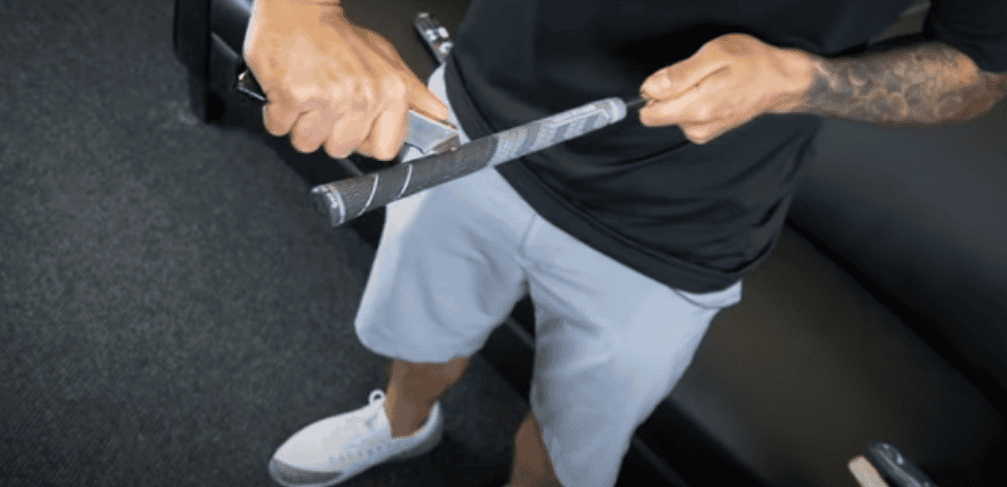
Begin by detaching the old grip from the club. Experts often recommend using a hook blade or utility knife, but exercise caution and wear protective gloves to avoid accidentally damaging the shaft. While this step may seem labor-intensive, the end result will deliver the sensation of brand-new equipment.
Step 2: Preparing the Shaft
After removing the old grip, meticulously strip off any remnants of tape using a utility knife or razor blade. This thorough approach ensures a smooth surface for installing the new grip. To clean the shaft, use a small amount of grip solvent or a solvent-soaked cloth. This seemingly minor task significantly impacts the longevity of the grip’s adherence, underscoring its importance.
Step 3: Installing the New Grip
Having fulfilled the necessary conditions, proceed to install the new grip. Utilize double-sided tape, affixing it meticulously, then gently slide the grip onto the shaft. Accurate centering is crucial and exerts a lasting influence on game quality. Allocate ample time to this step to avert future disappointments, employing a methodical approach to achieve optimal results.
Step 4: Ensuring Grip Security
To secure the new grip, use tape to firmly and neatly wind it, preventing any protruding tape fragments. This seemingly minor detail can disproportionately impact shot quality, further underscoring the significance of precision.
Step 5: Perfecting Comfort and Fit
After fitting the grip, assess its comfort. Experiment with grip tightness; if it feels too snug, gradually remove the tape strips until an optimal balance is achieved. However, remember to prioritize grip security, as an overly loose grip can disrupt performance.
Conversely, if the grip feels too loose, adding additional tape can rectify the situation. Mastering this equilibrium enhances both comfort and performance, ultimately leading to optimal readiness.
Pro Tips for Extending Grip Longevity
To extend the lifespan of your golf club grips, it’s important to follow certain guidelines:
- Before working with clubs, ensure your hands are clean from dirt and sweat;
- Clean the grip surface with a damp towel or brush using soapy water to maintain aesthetics and enhance grip functionality;
- Periodically apply a specialized leather conditioner to the grips to safeguard against dirt and wear. Choose a conditioner designed specifically for golf club grips to achieve optimal results.
In Conclusion: Mastering Performance
The essence of this comprehensive guide is to underscore the significance of regripping golf clubs for bolstering your game. Through mindful grip selection, meticulous installation, and attentive maintenance, your equipment becomes an extension of your expertise, enhancing control and precision. By dedicating time to this fundamental yet vital care, you pave the way for triumphant rounds on the golf course.
In golf, precision is paramount, and the pursuit of mastery is a constant journey. On the greens and fairways, golf clubs serve as an extension of your prowess, influencing shot accuracy, control, and overall effectiveness. In the pursuit of excellence, the practice of regripping becomes a cornerstone of equipment upkeep. This comprehensive step-by-step guide unveils the art of regripping golf clubs, empowering you to take responsibility for your equipment’s condition and, consequently, your game.
Beginning with the initial grip selection, the careful removal of old grips, and the strategic installation of new ones, this guide equips you with the knowledge and self-assurance to embark on this independent journey. Armed with the necessary tools and materials, your golf clubs undergo changes that reflect your commitment to the sport. This process is more than a task; it’s a ritual that binds you to your equipment, allowing you to harness its full potential on the field.
Moreover, this process doesn’t end with grip installation; it encompasses ongoing maintenance. The professional insights provided in this guide serve as a roadmap for extending grip lifespan, ensuring they remain steadfast companions through countless rounds. The nuances of grip cleaning, specialized conditioners, and meticulous care contribute to preserving your investment and elevating your game.
As you stand on the cusp of implementing this knowledge, remember that regripping is more than just maintenance; it’s an expansion of possibilities. It’s a tangible way to assert your authority over outcomes, feel the connection between your hands and the club, and confidently move forward with each swing. With each regripped club, you create an opportunity for accuracy, excellence, and elevated golf play.
So, standing on the fairways with regripped clubs in hand, envision how you’ll make shots and conquer the game. By tending to your equipment’s upkeep, you embark on a path of continuous improvement—a path that finds resonance in every swing, every shot, and every putt.
May your refurbished clubs propel you toward exceptional results, unforgettable rounds, and the joy that the game of golf brings. The steps you’ve learned here are more than instructions; they are building blocks for a stronger connection to your beloved sport. Confidently take these steps, and let your regripped clubs bear witness to your dedication and passion for the beautiful game of golf.
FAQ
Replace grips if they noticeably slip during swings. Additionally, inspect grips for signs of wear; significant deterioration indicates a need for replacement.
The replacement frequency depends on usage and grip condition. Novices are advised to replace yearly, while experienced players should do so every six months. Regular inspection remains a key aspect of grip care.
With the right tools and materials, regripping at home isn’t overly challenging. Precision and carefulness are crucial; thorough execution ensures a favorable outcome.
Certainly, many golf stores offer regripping services. If DIY work is tough or tools are lacking, professional services are an alternative, albeit pricier.
Using golf grip adhesive is necessary. It secures the grip in place and prevents slipping during swings. For optimal results, use adhesive designed for golf grips.
You’ll need a new grip, double-sided tape, grip solvent, as well as a damp cloth or brush. Most golf stores carry these materials.
Several good conditioners are available, but our favorite is Bickmore’s Leather Conditioner. It’s tailored to shield leather from dirt and wear, is user-friendly, and is widely available at golf equipment shops.