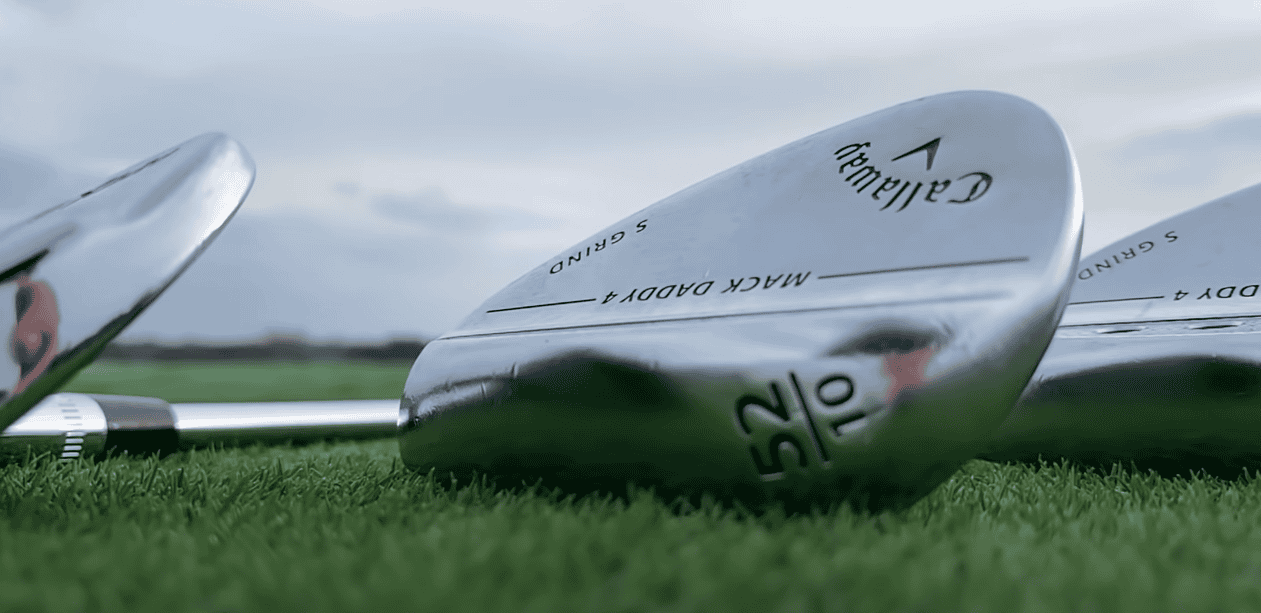
When it comes to the game of golf, having the right tools in your bag can make all the difference. Among the most essential clubs are the pitching wedge, gap wedge, sand wedge, and lob wedge. These clubs are designed to provide different levels of loft and control, allowing you to navigate various situations on the course with precision. In this guide, we’ll delve into the world of these wedges, exploring their loft angles, applications, and how they can elevate your golfing experience.
Understanding Loft Angles
Loft angle refers to the angle formed between the face of the club and the ground. The loft of a wedge significantly influences the trajectory, distance, and control of the golf ball. Different wedges offer varying loft angles to cater to specific shot requirements. Let’s break down the four main types of wedges and their loft ranges:
Pitching Wedge
At the foundation of the wedge family lies the pitching wedge, a versatile club with a loft ranging from 44 to 48 degrees. This wedge, akin to the delicate brushstrokes of a painter, allows golfers to craft approach shots that gracefully navigate moderate distances while caressing the green with a soft landing. Imagine the golfer’s precision as they assess the terrain, aligning the low loft of the pitching wedge with their intent to send the ball soaring with precision.
| Wedge Type | Loft Range | Primary Use |
|---|---|---|
| Pitching Wedge | 44° – 48° | Controlled approach shots with soft landings |
Gap Wedge
Transitioning seamlessly, we arrive at the gap wedge, known as the approach wedge, with its loft spanning from 50 to 54 degrees. This wedge serves as a bridge between the pitching wedge and the sand wedge, a conduit for shots demanding more loft than the former but less than the latter. As the golfer’s pulse quickens, they rely on the gap wedge’s adaptability to perform shots from the fairway or rough, its loft serving as a compass guiding the ball through the unpredictable landscape.
| Wedge Type | Loft Range | Primary Use |
|---|---|---|
| Gap Wedge | 50° – 54° | Versatile for shots from fairway or rough areas |
Sand Wedge
Now, imagine the scene shifting to the treacherous bunker, where the sand wedge makes its grand entrance. With loft angles ranging from 54 to 58 degrees, this wedge becomes the golfer’s trusted ally in combating soft lies around the green and the menacing embrace of the bunker’s sand. The loft’s design allows for shots that ascend gracefully into the sky, carrying with them a promise of escape and a shower of backspin upon landing.
| Wedge Type | Loft Range | Primary Use |
|---|---|---|
| Sand Wedge | 54° – 58° | Mastering bunker shots and finesse |
Lob Wedge
The crescendo of loft angles arrives with the lob wedge, offering a lofty range of 58 to 64 degrees. A specialist in its own right, this wedge propels the ball skyward, its trajectory steep as a mountaineer’s ascent. Picture the golfer, faced with a hazard, needing a delicate touch to clear the obstacle and land with precision. The lob wedge answers this call, delivering a short carry distance accompanied by a sudden halt, akin to a graceful dancer’s finale.
| Wedge Type | Loft Range | Primary Use |
|---|---|---|
| Lob Wedge | 58° – 64° | Conquering hazards and achieving pinpoint accuracy |
Applications on the Course
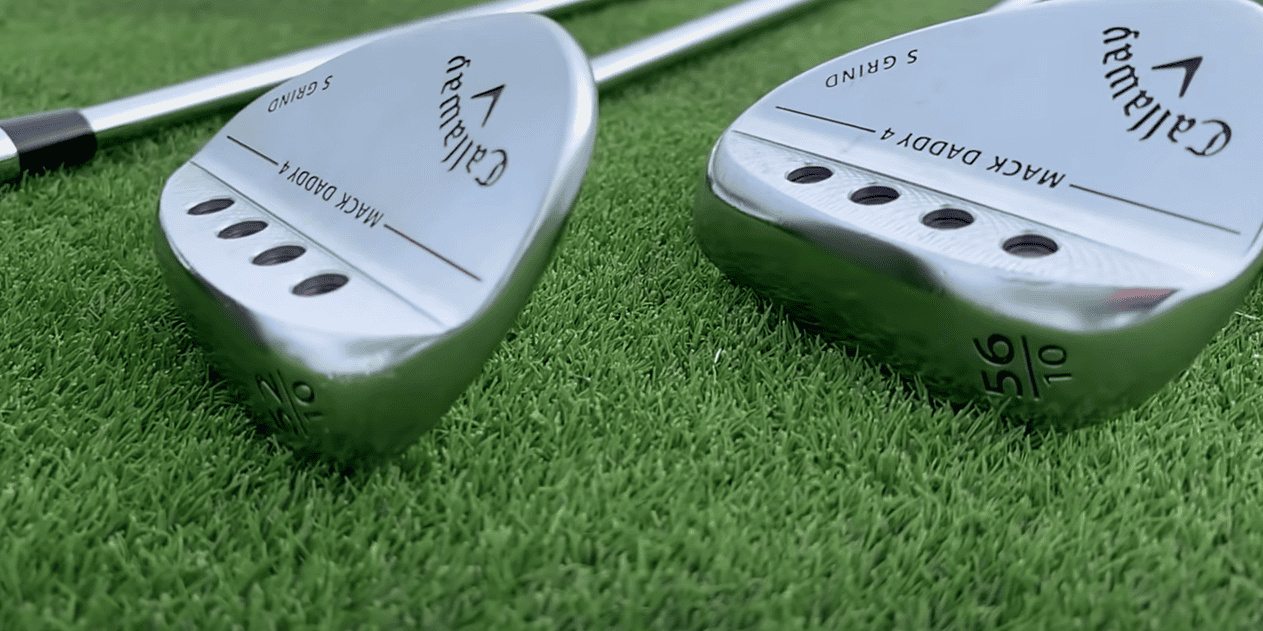
Golf, much like a mosaic, comprises intricate pieces that, when assembled thoughtfully, create a masterpiece on the course. As we delve into the realm of wedges and their applications, picture yourself stepping onto the emerald fairway, armed with knowledge that will transform your shots into strokes of genius. Understanding when and how to use each wedge can significantly improve your golf game. Here’s a breakdown of the typical scenarios where these wedges shine:
Pitching Wedge
Behold the versatile pitching wedge, akin to a calligrapher’s quill, ready to pen a story of precision on the canvas of the course. In its hands, the fairway becomes a stage for approach shots that demand controlled distance and a gentle landing. Imagine standing over the ball, the loft of the pitching wedge—an angle of 44 to 48 degrees—beckoning you to orchestrate shots with minimal roll and maximum grace.
Applications:
- Approach shots from the fairway or semi-rough;
- Shots necessitating a controlled distance while minimizing roll;
- Chipping around the green, requiring a higher trajectory for a soft descent.
| Wedge Type | Ideal Scenarios |
|---|---|
| Pitching Wedge | Fairway approach, controlled distance, chipping |
Gap Wedge
Transition to the gap wedge, a conductor bridging dimensions between the pitching and sand wedges. In its loft range of 50 to 54 degrees, envision it as a compass guiding your ball through the labyrinth of intermediate distances. This wedge thrives in scenarios where the pitch of a pitching wedge falls short and the loft of a sand wedge is excessive, gracefully navigating the challenges posed by the terrain’s varied textures.
Applications:
- Approach shots from intermediate distances;
- Shots demanding more loft than a pitching wedge but less than a sand wedge;
- Tackling tricky lies in the rough, where control reigns supreme.
| Wedge Type | Ideal Scenarios |
|---|---|
| Gap Wedge | Intermediate approach, versatile shots |
Sand Wedge
A shift in perspective leads us to the sand wedge, a sculptor carving escape routes from the clutches of greenside bunkers. With loft angles ranging from 54 to 58 degrees, this wedge becomes a lifeline in scenarios where the ball nestles in the soft embrace of the rough around the green. It’s here that the sand wedge showcases its prowess, splashing the ball out of bunkers, orchestrating shots that kiss the green softly, and executing flop shots with the elegance of a dancer.
Applications:
- Liberating the ball from greenside bunkers with a graceful splash;
- Shots from soft lies around the green demanding quick stops;
- Performing flop shots, ensuring a high, delicate landing.
| Wedge Type | Ideal Scenarios |
|---|---|
| Sand Wedge | Bunker escape, soft lies, flop shots |
Lob Wedge
As we ascend to loft angles of 58 to 64 degrees, we encounter the lob wedge—an artist wielding brushes of loft to paint the sky. This wedge thrives in scenarios demanding high, soft shots over formidable obstacles. Imagine the challenge of clearing bunkers or water hazards with finesse, the lob wedge’s loft becoming a partner in this aerial ballet. It shines when the pin hugs the edge of the green, and in moments that require utmost control for delicate shots.
Applications:
- Launching high, soft shots over obstacles like bunkers or water hazards;
- Navigating shots when the pin is tantalizingly close to the green’s edge;
- Exerting maximum backspin and control for finesse shots.
| Wedge Type | Ideal Scenarios |
|---|---|
| Lob Wedge | Aerial shots, precise control |
Conclusion
Pitching, gap, sand, and lob wedges are essential tools in a golfer’s arsenal, offering versatility and precision on the course. By understanding their loft angles, applications, and how they can elevate your short game, you can make informed decisions that lead to better scores. Remember, practice is essential to mastering these shots. For better understanding, check out this instructional video:
Elevate your golf game by embracing the power of these wedges and watch your shots soar with accuracy and finesse.
FAQ
Yes, absolutely. While the sand wedge is specially designed for bunker shots, its loft and bounce can be advantageous in various scenarios. It’s great for shots from the rough around the green, and its high loft can help you clear obstacles.
To hit a successful lob shot, open the clubface to increase the loft angle. Take a stance with the ball positioned slightly forward, and make a steep swing with an accelerated follow-through. This will pop the ball up high and land it softly on the green.
While other clubs like irons or hybrids can be used for similar shots, wedges are specialized tools that provide optimal loft and control. Having a dedicated set of wedges can greatly enhance your short game performance.
Consider your playing style, the courses you frequent, and the types of shots you frequently encounter. A balanced combination of wedges can cover various scenarios and give you confidence in different situations.
Practice is key. Spend time on the practice green, experimenting with different wedges to understand how they interact with the ball. Work on distance control, trajectory, and varying the length of your backswing for precise shots.