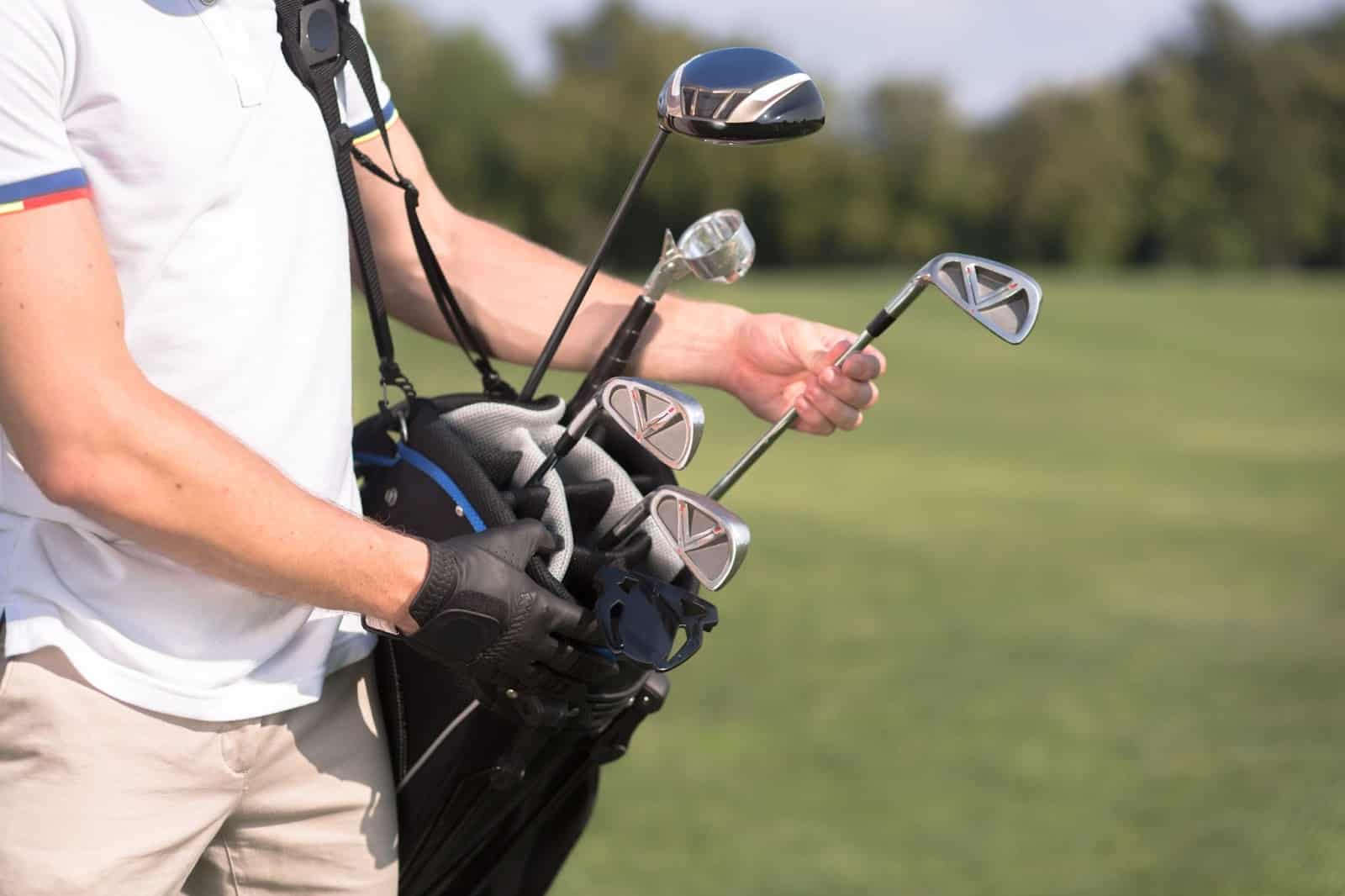
Are you intrigued by the idea of enhancing your golf game? An initial step in this direction involves the thoughtful selection of the ideal golf shaft. While some individuals might believe that attaching any shaft randomly to a club would suffice, this assumption lacks accuracy. The process of choosing a golf shaft demands a meticulous approach to ensure optimal performance on the golf course.
Within the confines of this blog article, we will delve into the essential aspects that warrant contemplation when making the pivotal choice of the most fitting golf shaft that complements your distinctive playing style and proficiency level. Regardless of whether you classify as an amateur or a seasoned professional, these pointers will furnish invaluable advice for the selection of an appropriate alternative, thereby enhancing your existing skill repertoire!
Unlocking the Secrets of Golf Shafts: Why Your Game Depends on This Key Component
Navigating the world of golf involves more than just mastering the perfect swing or understanding the layout of a course. To elevate your game to the next level, you must focus on the intricate details that are often overlooked but make a significant impact. Among these, the golf shaft you choose plays an indispensable role. It’s the golden link that connects your swing mechanics to the clubhead, setting the stage for the flight of the ball.
The shaft is your conduit for transferring the kinetic energy from your swing into the clubhead, eventually dictating the shot’s trajectory, distance, and accuracy. It’s not just about metal or graphite; it’s about science, personal skill level, and the nuanced attributes of the shaft that can drastically influence the game’s outcome. Whether you’re a tour-level pro burning up the course or an eager novice learning the ropes, selecting the ideal shaft can be a game-changer.
Essential Criteria for Selecting the Ideal Golf Shaft
Choosing a golf shaft is more akin to alchemy than shopping; it’s a blend of science, personal preference, and performance needs. Several factors weigh in on this all-important choice. Let’s delve into these critical criteria to help you make an informed decision.
- Flexibility: The Backbone of the Swing;
- Common Flex Options: The standard flex categories are Ladies, Senior, Regular, Stiff, and X-Stiff;
- Speed Matters: A flexible shaft is generally more forgiving and can be ideal for players with slower swing speeds, aiding them in generating more power. Conversely, skilled players with faster swings will benefit from a stiffer shaft to ensure better control;
- Tip: Using a launch monitor can provide precise data on your swing speed, aiding in the perfect flex choice;
- Weight: The Balancing Act;
- Control vs. Distance: A heavier shaft often offers more control and accuracy but may compromise distance. A lighter shaft can enhance swing speed and maximize distance but might be harder to control;
- Personal Comfort: It’s vital to choose a shaft weight that feels natural to you, allowing for optimal balance and swing mechanics;
- Length: Custom Fit for Your Stature;
- Height Considerations: Generally, taller players benefit from longer shafts, while shorter players will find better control with shorter shafts;
- Comfort Level: It’s not just about your height; the shaft length should allow for a smooth and controlled swing.
Material: Graphite vs. Steel
- Graphite: Known for being lightweight, graphite shafts can add extra distance to your shots. However, they might lack the control and accuracy that come with heavier materials;
- Steel: Durable and typically heavier, steel shafts offer greater control and accuracy but might not provide as much distance as their graphite counterparts;
- Recommendation: Test both types to gauge the unique feel and performance each material provides.
Swing Speed: The Power Factor
- Low Speed, High Flex: If your swing speed is on the lower end, a more flexible shaft can assist in generating additional power;
- High Speed, Low Flex: Those with faster swing speeds may find that a stiffer shaft gives them the control they need to master their shots.
Trajectory: The Art of Ball Flight
- High Flyers: If your shots tend to soar too high, a stiffer shaft can help bring the ball flight down;
- Low Angles: Conversely, if your shots are too low, a flexible shaft can help you gain the loft you desire;
- Feel: The Intangible Factor;
- Test Drives: The final arbiter is how the shaft feels in your hands. No amount of science can replace the tactile experience of swinging the club;
- Multiple Tries: Test a range of shafts under varying conditions to find the one that feels the most comfortable and enhances your control.
In the quest to enhance your golf game, overlooking the shaft is akin to ignoring the foundation of a building. It’s essential to dedicate time to understand and select a shaft that complements your skills, physique, and playing style, ensuring that every swing you make is a step towards golfing excellence.
Mastering Your Golf Game: Unveiling the Ideal Golf Shaft
Embarking on your golf journey requires more than just a sturdy swing and a keen eye for the green. One often overlooked aspect that can significantly influence your performance is the type of golf shaft you wield. Golf shafts, available in a spectrum of materials, harbor the potential to be the secret ingredient for refining your game. Let’s delve into the captivating realm of golf shafts and decipher the nuances of steel, graphite, and multi-material options.
Steel Shafts: Traditional Elegance with Enduring Power
A symphony of tradition and durability, steel shafts hold their ground as the bedrock of golf club construction. Revered by professionals and low-handicap aficionados, they bestow a solid, unwavering feel that’s emblematic of golf’s heritage. Delve into the pros and cons of these timeless companions:
Pros:
- Rock-Solid Stability: A reassuring weight and sturdiness offer unparalleled stability, grounding your swings with unwavering assurance;
- Laser-Sharp Accuracy: Precision finds its ally in steel shafts, granting you heightened control over your shots and aiding in those crucial on-point putts;
- Pocket-Friendly: In the realm of golf shafts, steel stands as the cost-effective choice, ensuring you can invest in quality without draining your wallet.
Cons:
- Heftier Load: While stability is a boon, the weightiness of steel can occasionally translate into a tad slower swing speeds;
- Vibrations Galore: The steadfastness of steel comes with a price—transmitted vibrations. These can lead to fatigue and discomfort over the course of a game.
Graphite Shafts: Harnessing Distance and Comfort
Step into the world of modernity with graphite shafts—an enticing choice for players seeking to amplify their distance and minimize the impact on their hands and arms. These contemporary marvels redefine the game in more ways than one:
Pros:
- Feather-Light Agility: The inherent lightness of graphite shafts ushers in enhanced clubhead speeds, translating into powerful, distance-driven shots;
- Comfort Amplified: Reduced vibrations mean less strain on your hands and arms, making them a haven for players nursing injuries;
- Distance Redefined: The forgiving nature of graphite shafts lends a hand in off-center shots, channeling unmatched distances even when your strike isn’t flawless.
Cons:
- Premium Pricing: Unveiling the potential of graphite comes at a cost, and it’s usually higher than its steel counterpart;
- Control Conundrum: While the distance may soar, some players might miss the tactile feedback and control that steel offers.
Multi-Material Shafts: Pinnacle of Personalization
Witness the fusion of innovation in multi-material shafts—a playground for customization enthusiasts. These avant-garde shafts marinate the qualities of steel and graphite, offering a tailored experience that adapts to your unique swing dynamics:
Pros:
- Crafted for You: The mélange of materials opens doors to crafting a shaft that’s a mirror of your swing style, enhancing your strengths and mitigating weaknesses;
- Triad of Attributes: Discover equilibrium with the trifecta of weight, stability, and flexibility—a potent recipe for impeccable shots;
- Precision and Distance United: Experience the best of both worlds, as multi-material shafts harmonize pinpoint accuracy with notable shot distances.
Cons:
- Investment Required: The luxury of customization isn’t free, and these shafts often come with a price tag that mirrors their sophistication;
- Fine-Tuning Essential: Unlocking their potential demands patience and meticulous fitting to unearth the perfect match for your unique swing mechanics.
As you stand at the crossroads of golf shaft choices, consider your playing style, skill level, and personal preferences. Each type holds its allure, beckoning you to embrace the one that complements your journey. Remember, the right shaft isn’t just a tool—it’s an accomplice in your pursuit of golfing excellence. Choose wisely and swing for the stars.
Choosing the Right Golf Shaft Material for Your Game
As you step onto the lush greens of a golf course, the type of golf shaft material you wield can significantly impact your performance. Delving into the world of golf shafts, you’ll find a diverse range of options tailored to various playing styles and skill levels. Whether you’re a beginner aiming for consistency or an experienced golfer striving for precision, the choice of golf shaft material holds the key to unlocking your potential. Let’s explore the materials that can elevate your game and help you conquer the fairways with confidence.
Graphite Shaft: Lightness and Forgiveness
For novices and those seeking to lower their handicap, the allure of graphite shafts lies in their lightweight nature and inherent forgiveness. These shafts, typically constructed from carbon fiber materials, offer several advantages:
- Lightweight Advantage: Graphite shafts are notably lighter than their steel counterparts. This feature can aid players in generating more clubhead speed, translating to longer distances, especially for those with slower swing speeds;
- Forgiving Feel: The inherent flexibility of graphite shafts contributes to a forgiving feel, helping to mitigate off-center hits by providing more flex and minimizing the dispersion of shots;
- Vibration Dampening: Graphite’s natural vibration-dampening properties reduce the feedback felt during off-center hits, enhancing comfort and potentially boosting your confidence.
Steel Shaft: Precision and Control
If your game thrives on precision and control, the time-tested steel shafts might be your optimal choice. These shafts, crafted from sturdy steel materials, offer distinct advantages that suit certain playing styles:
- Unparalleled Control: Steel shafts boast less inherent flex compared to graphite, translating to a more predictable and controlled shot trajectory, making them a favorite among low-handicap golfers;
- Consistency: The rigidity of steel shafts minimizes clubhead twisting, leading to more consistent shots and improved accuracy;
- Feedback: The direct feedback provided by steel shafts allows golfers to better assess the quality of their swings and make necessary adjustments.
Multi-Material Shaft: Balancing Performance
For golfers who demand a harmonious blend of weight, performance, and versatility, the multi-material shaft presents an intriguing option. These shafts leverage a combination of materials, such as graphite and steel, to offer a unique amalgamation of characteristics:
- Custom Performance: Multi-material shafts can be engineered to optimize specific performance metrics, such as a balance between lightweight design and controlled accuracy;
- Tailored Flex Profiles: The integration of various materials allows for the fine-tuning of flex profiles, catering to individual swing styles and speeds;
- Advanced Technology: The fusion of materials often involves advanced manufacturing techniques, contributing to a modern and technologically advanced golf shaft option.
Unveiling the World of Shaft Flex
Moving beyond the material itself, the concept of shaft flex emerges as a pivotal factor in determining the trajectory, accuracy, and distance of your golf shots. Shaft flex, influenced by materials, diameter, thickness, and shape, is categorized into five distinct types:
Extra Stiff (X)
Target Audience: Golfers with exceptionally high swing speeds, including professionals.
Characteristics:
- Minimal Flexibility: Offers the least flex, ensuring a controlled and powerful shot;
- Low Trajectory: Produces a lower ball flight for added distance;
- Less Spin: Reduces spin for a more penetrating ball flight;
- Precision Challenge: Requires a high level of skill to control due to its stiffness.
Stiff (S)
Target Audience: Golfers with fast swing speeds aiming for a balance between control and distance.
Characteristics:
- Moderate Flex: Strikes a balance between control and power;
- Versatility: Offers controlled shot trajectory with reasonable forgiveness;
- Reduced Spin: Generates less spin for more roll on the fairway.
Regular (R)
Target Audience: Golfers with moderate swing speeds and mid-handicap players.
Characteristics:
- Balanced Flex: Provides a compromise between control and distance;
- Forgiveness: Forgiving nature helps mitigate slight mishits;
- Mid-Trajectory: Yields a mid-height ball flight, suitable for various shot scenarios.
Senior (A)
Target Audience: Golfers aged 50 and above with slower swing speeds.
Characteristics:
- Increased Flexibility: Offers more flex to enhance distance and height;
- Forgiving Performance: Assists in reducing slices or hooks, promoting straighter shots;
- Heightened Trajectory: Provides a higher ball flight for greater carry distance.
Ladies (L)
Target Audience: Female golfers seeking flexible shafts for improved performance.
Characteristics:
- Designed for Women: Tailored to accommodate the swing characteristics of female players;
- Enhanced Flex: Provides added distance and height for better overall performance;
- Forgiving Design: Aids in reducing shot dispersion, enhancing accuracy.
In the Footsteps of Legends: Tiger Woods’ Shaft Selection
Ever wondered about the choices made by golf legends like Tiger Woods? Delve into the world of their shaft preferences to glean insights into how these iconic figures harness the power of technology to perfect their game. Discover the specific shafts that elevate their drives, approach shots, and putts to legendary heights.
In conclusion, the journey to selecting the ideal golf shaft material and flex is a profound exploration of your unique playing style and goals. By understanding the nuanced benefits of each material and flex type, you’re equipped to make an informed decision that can elevate your game to new heights. Whether you’re striving for forgiveness, control, precision, or a delicate balance of these attributes, the world of golf shafts offers a treasure trove of possibilities to amplify your performance on the course.
Selecting the Ideal Golf Shaft Flex for Your Swing
Understanding the optimal shaft flex for one’s golfing style plays a pivotal role in enhancing game performance. Several variables can influence this decision:
- Swing Speed: An essential criterion is the speed of your swing. Those with quicker swings often benefit from a stiffer shaft, which offers heightened control. Conversely, those with a more leisurely swing speed might find an advantage in a flexible shaft, which tends to offer added distance and forgiveness;
- Desired Ball Flight: The trajectory of the ball when struck is another crucial consideration. Depending on one’s preferences for how high or low the ball flies, the shaft flex can be adjusted to accommodate these needs;
- Golf Objectives: Are you aiming for precise control on the green or increased distance down the fairway? Your goals can help dictate the most suitable shaft flex;
- Professional Assistance: Engaging with a seasoned club fitter can provide invaluable insights. Their expertise can guide players to make an informed choice tailored to their unique needs.
Delving Deeper into Golf Shaft Weight
The weight of a golf shaft isn’t just a number—it can make or break a golfer’s performance.
- Impact on the Game: The shaft’s weight directly correlates with the club’s total weight. This relationship, in turn, influences swing speed and the resultant ball flight. For instance, a heftier shaft typically offers enhanced stability and precision, while its lighter counterpart can augment clubhead speed, translating to amplified power;
- Finding the Right Balance: While weight is undeniably crucial, it shouldn’t be looked at in isolation. Other club attributes, including flex and length, should harmoniously combine with the weight to match a player’s swing.
Tailored Recommendations:
- Novice Golfers: Newcomers to the sport tend to benefit from a lighter shaft. Weights in the realm of 50-60 grams can enhance clubhead speed and power, making it an excellent choice for those still honing their skills;
- Seasoned Golfers: Those with intermediate skills can opt for a slightly weightier shaft, between 60-70 grams, enhancing accuracy and maintaining control;
- Elite Golfers: The pros or those nearing their level usually gravitate towards shafts weighing between 70-80 grams, valuing the stability and precision they offer;
- Personal Touch: No two golfers are the same. Therefore, personal preferences in terms of swing mechanics, comfort, and feel play a role. Trying a variety of weights can help identify what resonates best with an individual’s style.
The Significance of Golf Shaft Length
A golf club’s shaft length isn’t merely a measure; it’s an integral element that affects one’s overall performance.
- Implications of Incorrect Length: A mismatched shaft length can throw off a golfer’s swing dynamics, hampering balance and proper posture. An overly long shaft may lead to inconsistent hits, while an exceedingly short one might affect leverage and power;
- Optimizing Performance: Achieving the right shaft length ensures that a golfer can maintain the correct posture, optimally strike the ball, and leverage their body’s mechanics for the best possible outcome on the green;
- Personalized Fit: Just as with weight and flex, seeking expert advice can help. Club fitters can assist in gauging the most appropriate shaft length, taking into account a golfer’s height, arm length, and swing characteristics, ensuring a customized fit that’s aligned with individual needs.
The Impact of Shaft Length on Golf Swing Dynamics
The length of a golf club’s shaft isn’t just a mere measurement; it plays a pivotal role in influencing the dynamics of a golfer’s swing. A longer shaft can potentially lead to greater clubhead speed, translating to more distance covered by the ball. However, this added length also comes with its set of challenges, primarily in mastering control over the clubface. This often results in inconsistent ball contacts. Conversely, a shorter shaft tends to offer golfers enhanced control and consistency in their shots. The trade-off, however, might be a marginal reduction in the distance achieved.
Exploring Standard vs. Custom Shaft Lengths: Which is Right for You?
Standard shaft lengths are the go-to choice for many and are meticulously designed keeping in mind the average height and swing patterns of a general golfer. However, golf isn’t a one-size-fits-all sport. Golfers with heights deviating from the average or with unique swing characteristics might find these standard lengths less than optimal.
Enter custom shaft lengths – a solution for those looking to tailor their golfing experience. If a golfer has a swing plane that is either flatter or steeper than what’s considered average, customizing the shaft length can be beneficial. For instance, a golfer with a flatter swing plane might derive better results from a longer shaft, whereas one with a steeper swing plane might find a shorter shaft more advantageous.
A Guide to Choosing the Ideal Shaft Length
When on the quest to find the perfect shaft length, various factors come into play:
- Height: It’s one of the primary determinants. Generally, if one stands taller, a longer shaft might offer better results, while those on the shorter side might find shorter shafts more effective;
- Swing Speed: The speed at which a golfer swings can influence the shaft length choice. For those with a leisurely, slower swing speed, a shorter shaft might be beneficial. In contrast, those with a swifter swing might find longer shafts more in line with their style;
- Swing Characteristics: Beyond just speed, the very nature and characteristics of one’s swing, like the swing plane and rhythm, play a role. As mentioned earlier, those with flatter swing planes might lean towards longer shafts, while the opposite might be true for those with steeper swing planes;
- Comfort Factor: Above all, personal comfort reigns supreme. It’s vital to choose a shaft length that feels intuitive, natural, and comfortable. This ensures not only better play but also consistent ball contact.
In summary, while there are general guidelines and factors to consider, the ultimate choice in shaft length should align with an individual golfer’s unique needs and preferences.
Understanding the Kick Point in a Golf Shaft: A Comprehensive Guide
The kick point of a golf shaft, occasionally referred to as the bend point, represents a crucial element in golf equipment. Essentially, it’s the section of the shaft that undergoes the highest degree of flexing when a golfer takes a swing. The kick point’s positioning can dramatically influence the trajectory, spin, and overall distance of a golf ball upon being hit. This particular trait is determined by the design and material composition of the shaft.
Types of Kick Points and Their Implications:
Low Kick Point:
Location: Close to the club head.
Benefits:
- Yields a higher ball flight;
- Produces greater spin.
Ideal For: Golfers aiming for additional height and range in their shots.
Mid Kick Point:
Location: Centered on the shaft.
Benefits:
- Strikes a balance between distance and control.
Ideal For: A broad range of golfers who seek a blend of power and precision.
High Kick Point:
Location: Near the grip’s end on the shaft.
Benefits:
- Leads to a flatter ball trajectory;
- Generates reduced spin.
Ideal For: Golfers looking to decrease spin and achieve greater control over their shots.
Factors to Consider When Selecting a Shaft Based on Kick Point:
Swing Speed and Tempo:Golfers boasting a faster swing and aggressive tempo generally necessitate a stiffer shaft with a low kick point. This setup is designed to withstand increased force and offers enhanced power.
Those with a gentler swing speed and rhythm might find a shaft with a high kick point more suitable, as it aids in obtaining a more controlled ball flight.
Playing Conditions: Factors such as wind and course layout might also influence your shaft choice.
Recommendations for Golfers:
- Engaging with a professional fitter or club builder is highly advised. Such experts can evaluate individual swing attributes and propose the most fitting shaft design and kick point;
- Regularly reviewing and updating golf equipment can lead to enhanced performance. As skills and techniques evolve, so should the tools;
- Practicing with different kick points can provide firsthand experience, allowing golfers to feel the difference and choose what aligns best with their gameplay.
The kick point on a golf shaft, while a technical aspect, can make a noticeable difference in gameplay. Investing time to understand and choose the right kick point can lead to improved shots, control, and overall satisfaction on the golf course. Remember, while equipment plays a crucial role, regular practice and continual learning remain paramount in mastering the game.
What Constitutes Shaft Torque?
The concept of shaft torque pertains to the degree of rotational force experienced by a golf shaft during the execution of a swing. As a golfer swings the club, the kinetic energy imparted by the swing instigates flexion and torsion within the shaft. The quantification of shaft torque delineates the extent to which the shaft contorts under the influence of this energy.
The quantification of shaft torque involves angular measurement and is ordinarily presented within the specifications of the golf shaft. A diminished torque value corresponds to a lesser degree of shaft torsion throughout the swing. Golfers endowed with a fluid and composed swing often exhibit a preference for a shaft featuring diminished torque, as this augments precision in their shots. Conversely, those who exert a more forceful and dynamic swing might incline towards a shaft with heightened torque, thereby facilitating augmented shot distance.
It is imperative to underscore that while shaft torque stands as a pivotal consideration, it is merely one facet demanding contemplation in the process of selecting an appropriate golf shaft.
The Comprehensive Guide to Golf Shaft Fitting
For golf enthusiasts, mastering the technique and strategy of the game is only one aspect. Equally pivotal is ensuring that the equipment aligns with one’s skill set. A suitably fitted golf shaft can drastically enhance the effectiveness of a golfer’s swing, providing increased shot distance, sharper accuracy, and consistent performance. The following steps provide an in-depth guide to fitting a golf shaft.
1. Assessing Swing Speed:
What is Swing Speed? Swing speed refers to the velocity at which the club head connects with the golf ball. This measurement is crucial, as it’s a determinant of the kind of shaft one should use.
Measuring Swing Speed: Usually measured in miles per hour (mph), swing speed can be assessed using a specialized piece of equipment known as a launch monitor. However, acquiring an accurate reading can also be achieved with the assistance of a golf professional trained in this domain.
2. Grasping the Tempo of Your Swing:
- Defining Tempo: Tempo, in the golfing context, describes the rhythm and pace at which a golfer swings the club. Depending on the individual, it might range from brisk to moderate, and even to a slower pace;
- Connecting Tempo with Shaft Flexibility: The pace of one’s swing is directly related to the flexibility of the shaft needed. Players with a brisk tempo should gravitate towards a stiffer shaft, while those with a leisurely swing might find a more flexible shaft suitable.
3. Recognizing Your Release Point:
- Exploring the Release Point: The release point during a golfer’s swing is the moment the clubhead unhinges or releases as part of the downswing. It’s a critical aspect of determining the optimal shaft;
- Kick Point Relevance: The release point provides insights into the desired kick point or flex point of the shaft. Depending on when the release occurs, early, mid, or late in the swing, different shaft flex points will be more effective.
4. Experimentation with Various Shafts:
- The Need for Testing: Armed with knowledge about one’s swing speed, tempo, and release point, the next logical step is practical application. This means testing different shafts to identify the most compatible one;
- Professional Consultation: For an in-depth analysis, visiting a professional club fitter is recommended. Using a launch monitor and their expertise, they can pinpoint the shaft that would maximize your swing’s potential.
5. Delving into Additional Considerations:
Beyond the Basics: While the above parameters are crucial, golf shaft fitting is a nuanced process. Factors such as the shaft’s weight, its length, and the grip’s size and type play substantial roles in the overall feel and efficiency of the club. Each golfer’s unique swing and comfort level should be taken into account for the best fitting experience.
By giving due consideration to these steps and seeking expert advice when in doubt, golfers can significantly enhance their game by choosing equipment that aligns seamlessly with their skills and preferences.
Recognizing the Impact of an Inappropriate Golf Shaft Selection
Selecting an ill-suited golf shaft can drastically affect a golfer’s game. An inappropriate shaft not only hinders performance but can also be a significant contributor to various challenges on the golf course. Here’s a detailed examination of how to discern if a golf shaft might be the underlying cause of these challenges:
- Inconsistent Performance: Every golfer thrives on consistency. However, if there’s a sudden decline in the accuracy or regularity of shots, it might be attributed to the shaft’s incompatibility with the golfer’s style. It’s crucial to understand that while other factors might influence a game’s outcome, an ill-matched shaft can play a significant role in these inconsistencies;
- Anomalous Ball Flight Patterns: The flight trajectory of a golf ball is primarily influenced by the club’s swing mechanics. One major component in this equation is the shaft’s flex. If a golfer observes that the ball’s curve is more pronounced or different from the usual pattern, it can be a direct consequence of an ill-fitted shaft. A shaft with the incorrect flex will distort the expected ball flight, leading to unpredictable results;
- Discomfort and Unease in Swing: One of the paramount indicators of a well-suited golf shaft is the comfort and confidence it instills in the golfer during a swing. If swinging the club feels unnatural or induces unease, it might be indicative of the shaft’s misalignment with the golfer’s needs. Confidence in one’s equipment is crucial in golf, and if the shaft feels awkward, it’s a clear sign that it might not be the right fit;
- Challenges in Making Clean Contact: Clean contact with the ball is a cornerstone of a successful golf shot. If a golfer starts experiencing hooks or slices more frequently or the ball doesn’t launch as intended, the shaft could be a contributing factor. While multiple variables can influence contact, an incompatible shaft can exacerbate these issues, leading to more pronounced errors.
Conclusion
Having immersed yourself in the contents of this blog post, you are now equipped with ample knowledge to adeptly opt for the fitting golf shaft tailored to your game. Our exploration encompasses not only a thorough examination of primary advantages and pivotal considerations in the realm of golf shaft selection, but also an in-depth dialogue surrounding variables like your proficiency level, the composition of the club head, the pliability of the shaft, and the optimal materials.
By duly factoring in all these variables, you will confidently navigate the process of cherry-picking the most suitable golf shaft, thereby augmenting the efficacy of your swing to a significant degree.
It is worth recollecting that the linchpin to honing your comprehensive golfing skills remains diligent practice. Initiate your investigative journey well in advance, capitalizing on enlightening online resources or seeking guidance from seasoned practitioners. This strategy will ensure that you zero in on the superlative shaft, one uniquely tailored to harmonize with your distinct strengths and elevate your game performance.
Armed with the resolve to refine your mastery of this instrument through a profusion of practice shots, the prospect of attaining a commendable golf swing coupled with enhanced scores draws tantalizingly closer.